Hammond, IN · Lake County · Local crews
Water Damage Restoration in Hammond, IN
Water in your basement? Call now. A local crew will pump it out and dry it fast.
Tap to call now(219) 205-1031- Answered day or night
- Basements and sump pumps
- Insurance help
Water in the basement right now?
Do these 4 things, then call
- Stay out of water near outlets or the panel. If you can reach the breaker from a dry spot, shut off power to the basement.
- Stop the water you can stop. For a burst pipe, close the main valve, usually on the front basement wall where the line comes in.
- Keep away from sewer water. If it came up the floor drain, keep kids and pets upstairs and do not wade through it.
- Take photos, then call (219) 205-1031. Every hour the water sits, more drywall, carpet and stored stuff gets ruined.
Local water damage help for Hammond homes
Most water damage calls in Hammond start in the basement. A summer storm dumps more rain than the sewers can take and water comes up the floor drain. The power goes out and the sump pump stops. A January cold snap splits a pipe on the rim joist, and the basement floods once the ice thaws. When it happens, you want the water out today, not after a week of phone tag.
One call to (219) 205-1031 connects you with an experienced local restoration crew that works across Hammond and the Region. They handle the whole job: emergency water extraction, basement water damage restoration, sump pump failure cleanup, sewage backup cleanup, structural drying and mold remediation. Help is available day or night, and the sooner the work starts, the more of your home and belongings come through it.
What we fix
Water damage services in Hammond
Basements and sump pumps come first here, so they come first on this page. Pick the one that sounds like your problem, or just call and describe it.
Basement Water Damage Restoration in Hammond, IN
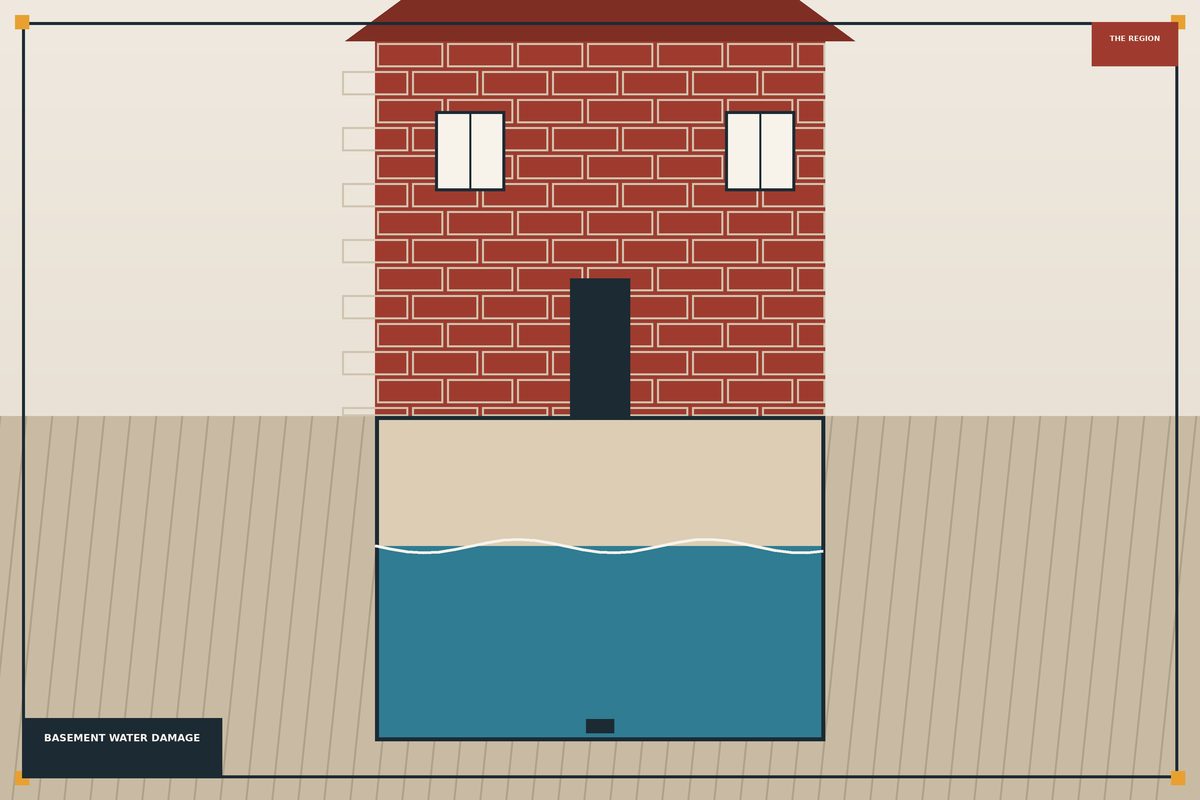
The most common call in Hammond. Water from the floor drain, foundation cracks or a window well gets pumped out, the wet pad and drywall come out, and the basement dries to a verified standard.
Basement Water Damage help ›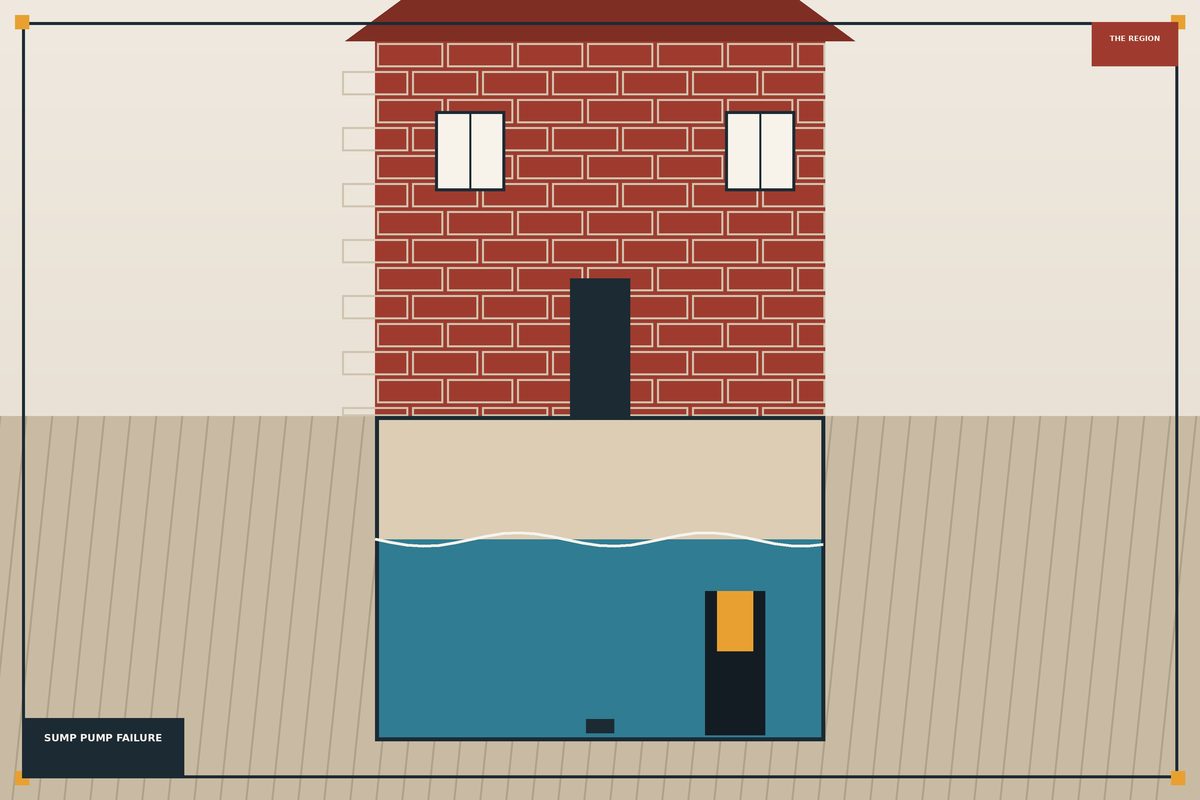
Sump Pump Failure Cleanup in Hammond, IN
Storm knocked the power out and the pit overflowed? The crew pumps out the basement, gets the drying going and points out what failed so it does not happen next storm.
Sump Pump Failure help ›Flooding Restoration
Big storm water pulled out fast, soaked materials removed and the structure dried and cleaned.
Learn more ›Ceiling Water Damage
Stains and sagging drywall from ice dams, roof leaks or an upstairs bathroom traced, dried and repaired.
Learn more ›Frozen Pipe Burst
Winter pipe breaks in walls and along the rim joist cleaned up and dried after the thaw.
Learn more ›Sewage Backup Cleanup
Sewer water from the floor drain extracted, wet porous materials removed and the area sanitized.
Learn more ›Emergency Water Extraction
Standing water removed with submersible pumps and truck-mounted extractors, any hour.
Learn more ›Structural Drying
Air movers and dehumidifiers run until meter readings show framing and floors are dry.
Learn more ›Mold Remediation
Mold from a slow leak or old flood contained, removed and the moisture source dried out.
Learn more ›Storm Damage Restoration
Wind-driven rain, roof damage and flash flooding from Region storms cleaned up and dried.
Learn more ›Carpet Water Damage
Wet carpet extracted, soaked pad pulled and the floor dried to save what can be saved.
Learn more ›Commercial Water Damage
Storefronts, offices and buildings dried with enough equipment to reopen sooner.
Learn more ›Insurance Claim Help
Photos, moisture logs and a clear scope to support your water damage claim.
Learn more ›Not sure what you need?
Most people call before they know if it is the sewer, the sump or a pipe. Describe what you see and a local crew will sort it out.
(219) 205-1031Every hour the water sits, the job gets bigger
Drywall wicks water up within hours. Carpet pad soaks through and stays wet against the slab. Mold can start in 24 to 48 hours. Calling now keeps a drying job from turning into a tear-out.
How it works
How a Hammond water damage job runs
Four steps, start to finish. You hear the scope before the work starts.
Call and assess
Tell a local crew what happened. They come out, stop the source if it is still running and map the wet areas with moisture meters.
Pump out the water
Submersible pumps and truck-mounted extractors pull standing water off the basement floor, out of the carpet and out of the sump pit area.
Dry and check
Air movers and dehumidifiers run until meter readings in the slab, walls and framing come back dry. Nothing gets closed up while it is still wet.
Clean and restore
Sewer water gets cleaned and sanitized, mold gets headed off, and damaged drywall, trim and flooring get put back.
Know the cause
What floods Hammond homes
Most Hammond water losses trace back to the same six causes. Knowing which one you have tells the crew where to look first and how to clean it.
Sewer backups through the floor drain
Much of Hammond drains through combined sewers that carry storm water and sewage in the same pipe. A heavy storm fills them, and the water comes up the lowest drain in the house.
Sump pump failure
The same storms that flood basements knock out power. A pump without a battery backup stops when the lights go out, and the pit overflows within hours.
Groundwater seepage
Hammond sits low between Lake Michigan and the Little Calumet River. After days of rain or a spring thaw, groundwater pushes through foundation cracks, cove joints and window wells.
Frozen and burst pipes
Lake-effect cold and hard freezes split supply lines in exterior walls, crawl spaces and along the rim joist. The flooding starts when the ice melts.
Ice dams and roof leaks
Snow melts on a warm roof and refreezes at the gutter. Water backs up under the shingles and shows up as a stain on an upstairs ceiling.
Storm flooding
Stalled summer storms can drop inches of rain in a few hours. Flat ground drains slowly, so water pools against foundations and finds every gap.
Not sure which one you have? Call (219) 205-1031 and the crew will know where to look first.
Why Hammond basements flood
Hammond runs from the Lake Michigan shore down to the Little Calumet River, which forms the city's southern edge. The Grand Calumet River cuts through the middle. Almost all of it is low, flat ground that was dunes, swales and wetland before the mills and houses went in. Water does not run off quickly here, the water table sits high, and nearly every older house has a basement. Put those together and you get the city's most common water damage call: a wet basement.
The sewer system fills up fast
Much of Hammond drains through combined sewers. Storm water and household sewage share the same pipes. The Hammond Sanitary District's system was built to handle about 68 million gallons in a storm. On the night of August 18, 2025, it took in about 160 million gallons, and at least 200 Hammond homes had sewer water back up into their basements. A July 2023 storm left 74 confirmed basement backups. When the mains surcharge, the lowest opening in the system is your basement floor drain. That water is Category 3 black water, and it has to be cleaned and sanitized, not just dried.
A backwater valve on the sewer line is the best defense, and the sanitary district has paid half the cost of home backflow preventers. If water is already on the floor, though, cleanup comes first.
The rivers and the water table
The Little Calumet River has a long flood history. In September 2008 heavy rain pushed it over its banks, a levee failed, and the damage across the area reached about $88 million. The Army Corps of Engineers finished the Little Calumet River flood control project in 2024, with 22 miles of levees and floodwalls protecting more than 9,500 homes and businesses in Hammond, Munster, Highland, Griffith and Gary. The levees hold back the river. They do not lower the groundwater. After days of rain, the water table still climbs and presses against basement walls in South Hammond, Woodmar and Hessville. That is when sump pumps run nonstop and when they fail.
Older brick homes and aging plumbing
Many Hammond homes have been standing for generations. Most of Woodmar was built in the 1920s. South Hammond has three historic districts: Indi-Illi Park, Roselawn-Forest Heights and Forest-Ivanhoe. Older homes like these often still have galvanized supply lines, cast iron drains and clay sewer laterals with decades of wear. Old brick foundations crack and let water in at the cove joint. Old laterals crack and let roots in, which slows drainage and makes backups worse. Finished basements in these homes hide a lot of that damage behind paneling and carpet until it smells.
Lake-effect winters
Winter brings its own losses. Cold air off Lake Michigan can drop heavy snow on one part of the Region and leave the next town clear. Hard freezes split pipes in exterior walls, unheated porches and along the rim joist, and the water pours out once the pipe thaws. Snow that melts and refreezes at the gutter builds ice dams that push water under the shingles and into ceilings. Spring thaw then stacks melting snow on top of saturated ground, and the basement calls start again.
What a local crew does differently
A crew that works in Hammond every week knows these houses. It knows to check the floor drain and the sump pit before anything else, to ask whether the water came up from below or in through a wall, and to treat a combined sewer backup as contaminated from the start. It knows the older bungalows in Hessville and the big 1920s homes in Woodmar hide wet plaster and paneling that a quick look will miss.
The process stays simple. Stop the water. Pump out what is standing. Pull the wet carpet pad and the bottom of the drywall so the wall cavity can dry. Run air movers and dehumidifiers until moisture readings say the structure is dry. Then clean, sanitize and rebuild. You hear the scope before work starts and get help documenting the loss for your insurance company.
Call (219) 205-1031What does water damage restoration cost in Hammond?
Price depends on how much water came in, whether it was clean or sewer water and how long it sat. A small clean water leak costs far less than a sewer backup that needs tear-out, and you get an estimate before any work starts.
Speed matters most. Water pulled out in the first hours is a drying job. Water left for days becomes tear-out, sanitizing and rebuild.
How structural drying works ›Will my insurance cover it?
It depends on where the water came from. Sudden internal water, like a burst pipe or a failed water heater, is often covered by a standard homeowners policy. Rising surface water from a storm usually needs separate flood insurance. Sewer backup and sump pump overflow usually need their own endorsement, which many Hammond homeowners carry because backups are so common here.
Either way, the crew photographs the damage, logs moisture readings and writes up the scope so your adjuster has what they need. Call your insurance company to open a claim, but do not wait on their call back to start drying. Most policies expect you to stop further damage right away. Read more about water damage insurance claims in Hammond.
Call (219) 205-1031Where we work
Water damage help in Hammond and the Region
Crews cover every Hammond neighborhood: Hessville and Woodmar on the southeast side, South Hammond along the Little Calumet River, Central Hammond, North Hammond and Robertsdale up by Wolf Lake and the lakefront. The same crews reach the surrounding Lake County cities.
Hammond ZIP codes served: 46320, 46321, 46322, 46323, 46324 and 46327.
See all service areas ›Common questions
Hammond water damage FAQ
How fast can someone get to my Hammond home?
Call (219) 205-1031 any time, day or night, and you will reach a local restoration crew. In most cases extraction can start the same day you call. The faster the water comes out, the less it spreads into drywall, framing and stored belongings.
My basement floods every heavy rain. Why?
Most repeat basement flooding in Hammond comes from the combined sewer system backing up through the floor drain, or from groundwater pressure when the water table rises. A backwater valve and a sump pump with a battery backup help a lot. The Hammond Sanitary District has paid half the cost of home backflow preventers.
My sump pump quit during a storm. What should I do?
Stay clear of water near outlets or the panel. If power is back and the pump is fine, let it run. If the pump is dead, call for extraction right away, because a full pit keeps overflowing as long as the rain keeps coming. Take photos for your insurance claim before you move anything.
Should I clean up sewer backup water myself?
No. Water that comes up the floor drain during a storm is Category 3 black water. It carries bacteria and has to be extracted, the wet porous materials removed, and the area sanitized. Keep people and pets out of the basement until a crew handles it.
Does insurance cover a flooded basement in Hammond?
A burst pipe is often covered by a standard policy. Sewer backup and sump pump overflow usually need a separate endorsement, and storm flooding from outside usually needs flood insurance. Document everything with photos and check your policy. The crew provides photos and moisture logs to support the claim.
How long does it take to dry out a basement?
Most basements dry in three to five days with commercial air movers and dehumidifiers running around the clock. Thick concrete, saturated framing or a finished basement with insulation can take longer. A technician checks with moisture meters before pulling equipment.
Will I get mold after a leak?
Mold can start within 24 to 48 hours if water sits, and basements give it the cool, damp air it likes. Fast drying is the best prevention. If mold has already started, it gets contained and removed before repairs begin.
What areas do you cover?
All of Hammond, including Hessville, Woodmar, South Hammond, North Hammond, Robertsdale and Central Hammond, plus Munster, Highland, Griffith, Whiting, East Chicago and Gary.
Water where it should not be?
Call now and get a local restoration crew moving on it, day or night.