Basement Water Damage Restoration in Hammond, IN
Basement water damage restoration in Hammond is the call most homeowners here make first, and for good reason. Hammond sits low and flat in the Calumet floodplain, the water table runs high near the Grand and Little Calumet rivers, and most of the city drains through combined sewers that carry storm runoff and sewage in the same pipe.
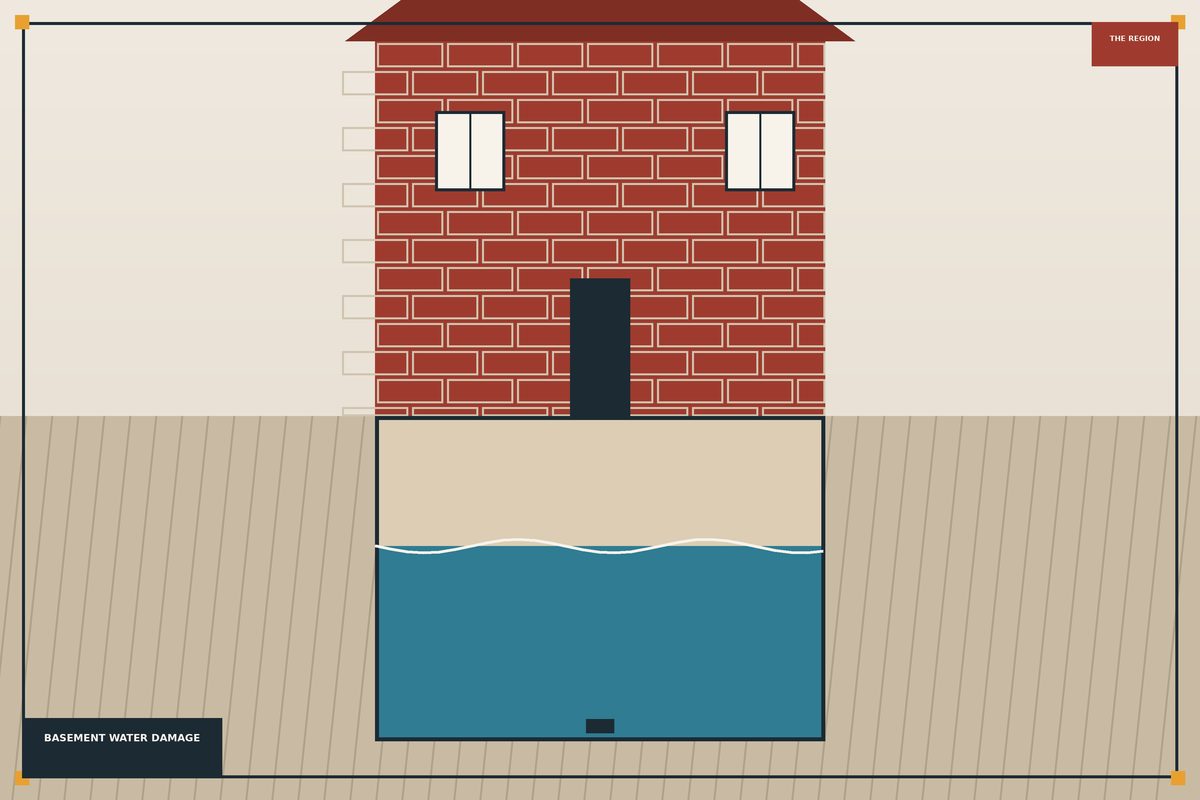 Hammond, IN basements · Northwest Indiana
 Basement water damage restoration in Hammond is the call most homeowners here make first, and for good reason. Hammond sits low and flat in the Calumet floodplain, the water table runs high near the Grand and Little Calumet rivers, and most of the city drains through combined sewers that carry storm runoff and sewage in the same pipe. When a hard rain overwhelms that system, water pushes back up through basement floor drains across Hessville, Robertsdale, and Woodmar. When the power blinks during a lake-effect storm and a sump pump quits, the pit overflows. Either way, you want the water out fast and the space dried before the damage spreads into framing, drywall, and stored belongings.
Why Hammond basements flood
Two things drive most basement losses in this city. First, the combined sewer system. The Hammond Sanitary District runs roughly 400 miles of pipe built to handle about 68 million gallons in a storm, and big rains routinely send far more than that through the lines. When the mains surcharge, the nearest relief is your floor drain, so water and sewage come up into the basement. Second, the high Calumet water table. After days of rain or spring snowmelt, hydrostatic pressure forces groundwater through foundation cracks, cove joints, and around old window wells. Both problems hit the older brick homes that fill Hammond neighborhoods hardest, because their foundations and clay laterals have decades of wear.
What gets done first
Speed matters most in the first 24 to 48 hours. A local restoration crew starts by pumping out standing water with submersible pumps and truck-mounted extractors, then pulls saturated carpet pad, cardboard, and anything wicking moisture upward. Baseboards and the lower few inches of drywall often come out so the wall cavity can dry instead of trapping water behind it. Next come commercial air movers and dehumidifiers, placed to push dry air across every wet surface. The crew tracks moisture readings in the slab and walls until the numbers come back to a normal dry standard, not just until the floor looks dry.
Clean water versus a sewer backup
How the work is handled depends on what came in. A burst supply line or a failed water heater is clean water, and most materials can be dried and saved. A combined-sewer backup is category-three water that carries contaminants, so affected porous materials get removed and the area is cleaned and sanitized rather than simply dried. Knowing the difference protects your family and keeps you from paying to dry something that should have been thrown out. A Hammond-area technician sorts that out on the first walkthrough.
What the work covers
- Standing water pumped and extracted from the basement floor
- Wet carpet pad, baseboards, and damaged drywall removed
- Sewer backups cleaned and sanitized, not just dried
- Air movers and dehumidifiers run until moisture readings normalize
- Mold growth headed off before it starts behind walls
Related: Sewage Backup Cleanup, Sump Pump Failure, Structural Drying.
Four steps, starting today
Call & assess
Tell a local crew what happened. They head out to find the water source and the full extent, day or night.
Extract the water
High-volume pumps and truck-mounted units pull standing water from the basement floor, carpet, and slab.
Dry & monitor
Air movers and dehumidifiers run while moisture readings are tracked until the structure is dry by the numbers.
Clean & restore
Sewage is sanitized, mold is headed off, and the space is cleaned and put back toward pre-loss condition.
Basement Water Damage questions
My Hammond basement floods every heavy rain. Why?
Most repeat basement flooding in Hammond traces to the combined sewer system backing up through the floor drain or to groundwater pressure from the high Calumet water table. A backwater valve and a reliable sump setup help, and the Hammond Sanitary District has offered reimbursement toward backflow preventer installation. Cleanup and drying still come first when water is already inside.
How long does it take to dry a flooded basement?
Most basements dry in three to five days with commercial air movers and dehumidifiers running continuously. Heavily saturated framing, thick concrete, or finished basements with insulation can take longer. A technician confirms the space is dry with moisture meters before pulling equipment.
Should I clean up sewage water myself?
No. Sewer backup water carries bacteria and contaminants and is not safe to handle without proper protection. Keep people and pets out of the area and have a local crew extract, remove affected materials, and sanitize the space.
Water in your home? Call now.
Tell a local Hammond crew what happened and get help moving the same day. Day or night, the sooner you call, the less you lose.
219-205-1031